Medical College Vacant Seats Not Just Due to Fees or MDCAT, Says Health Minister

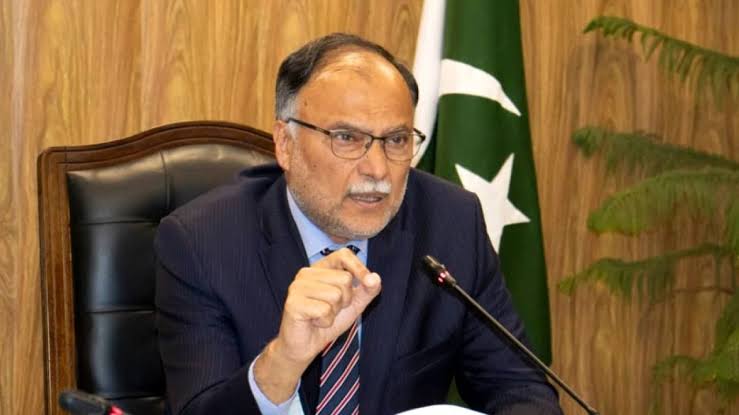
Vacant seats in Pakistan’s medical colleges cannot be explained only by high fees or MDCAT eligibility, Federal Health Minister Mustafa Kamal told the National Assembly Standing Committee on National Health Services. The committee has now called for a detailed investigation into why approved MBBS and BDS seats remain unfilled.
The discussion is important for students planning medical careers because the issue involves more than admission marks. Medical college fees, student interest, available infrastructure, admission policies, institutional quality and MDCAT requirements are all part of the wider debate.
Why are medical college seats remaining vacant?
The committee was informed that vacant seats have become a broader concern across medical education. Members therefore asked regulators to examine the actual reasons instead of linking the situation to one factor.
The committee directed the Pakistan Medical and Dental Council to inspect private medical colleges with vacant seats and identify the reasons behind the unfilled places.
The investigation is expected to look at factors such as:
- Medical college fee levels
- MDCAT eligibility requirements
- Admission merit
- Student demand for medical education
- College infrastructure
- Faculty availability
- Institutional quality
- Regulatory compliance
This approach matters because reducing admission requirements alone may not solve the underlying problem.
What did the committee say about medical college fees?
Fees were a major part of the discussion.
The health minister said several medical colleges had requested permission to increase their fees. However, universities cannot simply raise fees independently.
The committee was informed that 61 medical colleges were considered, while 35 qualified under the prescribed criteria. Members asked for detailed justification of the fee structure and audited financial statements from those institutions.
The committee also asked PMDC to provide information about institutions that had not qualified but were still charging higher fees or displaying such fees on their websites.
This could become an important issue for students comparing private medical colleges because tuition costs can influence admission decisions, particularly when several institutions offer similar programmes.
What does this mean for MDCAT 2026?
The committee also reviewed preparations for MDCAT 2026.
According to the latest PMDC information, the MDCAT has been rescheduled to Sunday, September 20, 2026. Students should rely on the council’s latest notices because earlier announcements carried different dates.
For the latest official examination notices, students should check the Pakistan Medical and Dental Council MDCAT announcements.
The committee discussed whether the existing eligibility threshold should eventually be reduced to increase access. Members also warned that lowering academic requirements too far could create difficulties for students during later stages of medical education.
The key issue is therefore finding a balance between access to medical education and academic standards.
Could more public sector medical seats be added?
The committee also considered increasing the number of seats in public sector medical colleges.
PMDC told members that additional seats had already been allocated following inspections, including seats in Punjab, former FATA areas and Balochistan.
However, expanding seats is not simply a matter of increasing numbers. Public medical colleges need sufficient classrooms, laboratories, teaching hospitals, faculty and registration capacity.
Representatives from Sindh also explained that additional seats would require adequate infrastructure and physical space.
This means any future increase in medical seats will need to be supported by institutional capacity.
What action has PMDC been asked to take?
The committee has asked PMDC to investigate private colleges where seats remain vacant and submit a report explaining the reasons.
The regulator has also been directed to strengthen inspections and monitor whether colleges continue meeting required standards.
Institutions that fail to maintain the necessary standards or repeatedly have substantial vacant seats could face regulatory action, including reconsideration of their approved seat allocation.
This is significant because the vacant seat debate is now connected directly with quality assurance in medical education.
BDS programme duration also discussed
The committee also discussed a proposed increase in the duration of the Bachelor of Dental Surgery programme from four years to five years.
The proposal is intended to bring the programme closer to international standards. PMDC told the committee that arrangements would need to be considered for students already enrolled under the existing structure.
Students currently studying BDS should therefore distinguish between proposals for future programme structures and rules that already apply to their existing admission.
Why this development matters for medical students
For students, the latest discussion sends a clear message: medical college admissions are being reviewed from several angles.
A vacant seat does not automatically mean that admission standards should be lowered. Likewise, high fees may be one factor but cannot automatically explain every unfilled seat.
The government and regulators are now looking at a wider picture involving affordability, academic standards, institutional quality and student demand.
That could eventually influence how medical colleges are inspected, how fees are justified and how vacant seats are handled.
Students following wider Pakistan education developments can also check our latest education updates and result information for other important announcements.
What should MDCAT aspirants do now?
MDCAT candidates should not change their preparation strategy based on discussion about lowering eligibility requirements.
The safest approach is to prepare according to the current official requirements and follow PMDC announcements for any confirmed policy change.
The committee’s discussion does not itself mean that MDCAT eligibility has been reduced or that medical college admission standards have changed.
Latest update
As of August 10, 2026, the National Assembly Standing Committee on National Health Services has directed PMDC to investigate vacant seats in medical colleges and determine the reasons behind them. The committee also reviewed fee structures, institutional inspections, MDCAT eligibility and medical education standards.
For students, the main takeaway is simple: vacant medical college seats are being treated as a wider education and regulatory issue, not simply a fees or MDCAT problem.