Sialkot Industry Pushes Toward Technology and High Value Exports
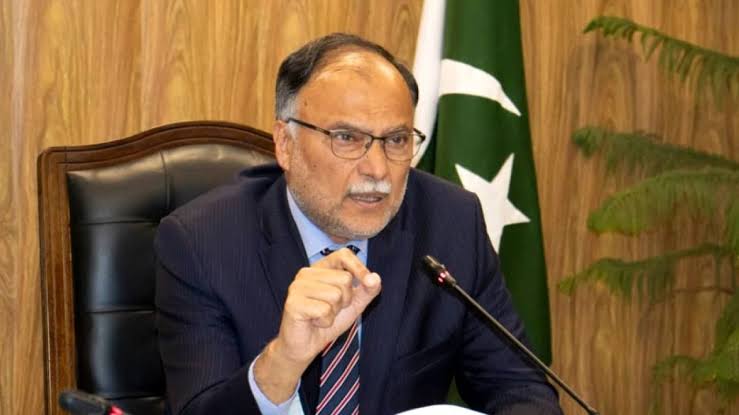
Pakistan’s industrial future will depend increasingly on technology, skilled workers and higher value products, Federal Planning Minister Ahsan Iqbal said while addressing business leaders in Sialkot.
Speaking at a business networking reception organised by the German Pakistan Chamber of Commerce and Industry, the minister urged local manufacturers to modernise production, develop stronger brands and compete internationally on quality and innovation rather than low prices.
The discussion also placed technical education and workforce skills at the centre of Pakistan’s industrial transformation, with Germany identified as a potential partner in engineering, manufacturing and vocational training.
Why Sialkot needs a technology upgrade
Sialkot is already one of Pakistan’s important export focused industrial centres. Its businesses have built international markets in areas including sports goods, surgical instruments, leather products and textiles.
The challenge now is moving from established manufacturing strength toward more advanced production.
A technology driven industry can use automation, digital systems, modern machinery, data and better quality control to improve productivity and product quality.
That shift can also help manufacturers develop products with greater value instead of competing mainly through cheaper production.
Ahsan Iqbal said Pakistani businesses should move toward high value branded products and create stronger international brands.
Germany could help Pakistan build technical skills
Germany was a major focus of the minister’s remarks.
He described engineering and manufacturing as areas where Pakistan and Germany could develop a complementary relationship. He also highlighted Germany’s technical and vocational education and training system as an important model for Pakistan.
This connection between education and industry is significant.
Modern factories require technicians who understand advanced machinery, engineers who can improve production systems and workers who can operate technology efficiently.
Pakistan therefore needs more than investment in industrial equipment. It needs people with the skills to use and develop that technology.
What students could gain from this shift
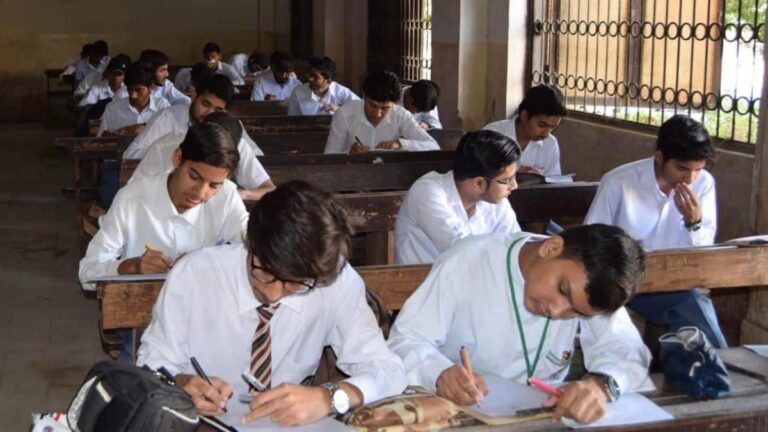
The growing emphasis on technical education could create stronger demand for skills linked to future industries.
Students interested in engineering, information technology, automation, manufacturing, electronics, data and other technical fields may find more opportunities as businesses modernise.
The most useful combination will likely be practical knowledge plus strong digital and problem solving skills.
| Industrial need | Skills becoming more important |
|---|---|
| Smart manufacturing | Automation and engineering |
| Digital production | Software and data skills |
| Quality improvement | Technical analysis |
| Modern machinery | Equipment and maintenance skills |
| Export growth | Product development and branding |
| Innovation | Research and problem solving |
The bigger opportunity is to connect these skills directly with employers so students learn what industries actually need.
Pakistan wants higher value exports
Ahsan Iqbal also called on Sialkot’s business community to set ambitious export targets.
He argued that Pakistan should move away from a model based mainly on low cost production and instead develop products that can compete through quality, innovation and branding.
This is an important distinction.
Increasing export volume is useful, but increasing the value generated by each product can create a stronger long term economic base.
For manufacturers, that means investing in product design, research, technology, quality standards and international marketing rather than relying only on price advantages.
Pakistan Export Council also proposed
The minister said Prime Minister Shehbaz Sharif was expected to establish a Pakistan Export Council, which would be chaired by the prime minister.
According to Ahsan Iqbal, the council would work with exporters to help accelerate the country’s export growth.
He also called for incentives for companies that reach the milestone of becoming Pakistan’s first billion dollar export company.
Such measures are intended to encourage businesses to expand internationally and bring more foreign exchange into the country.
Industrial policy and education are becoming connected
The Sialkot discussion fits into a broader government push to prepare Pakistan for technology driven economic change.
In June 2026, Ahsan Iqbal directed the Higher Education Commission to review university degree programmes and curricula against the requirements of Industrial Revolution 4.0 and the emerging Industrial Revolution 5.0. The government said future competitiveness would depend on developing knowledge, skills and competencies suited to a technology driven economy.
That makes the latest Sialkot announcement relevant beyond the business sector.
If industries are expected to adopt more advanced technology, universities and technical institutions will also need to produce graduates who can support that transformation.
A new focus on industry and education
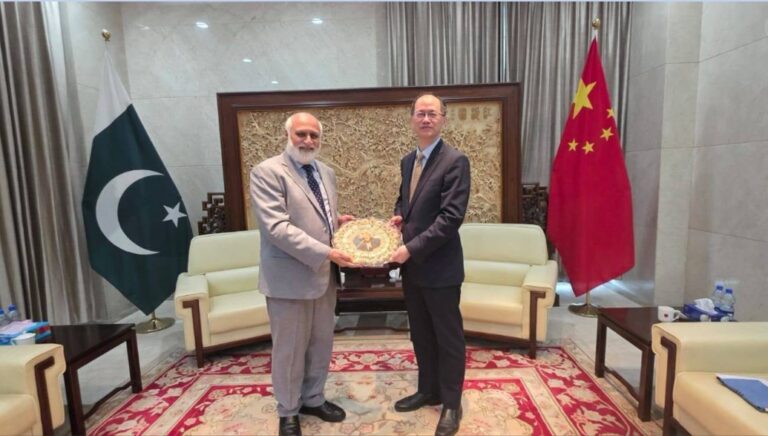
The event also included the signing of a memorandum of understanding between the German Pakistan Chamber of Commerce and Industry and the Pakistan Readymade Garments Manufacturers and Exporters Association.
The agreement adds a practical business cooperation element to the discussions around stronger Pakistan Germany relations.
For Pakistan, the most useful outcome would be turning such cooperation into practical training, technology transfer, research links and industrial partnerships.
Students following academic developments can also keep track of our 9th class position holders updates for the latest information about academic achievements.
What this means for Pakistan
The message from Sialkot is bigger than simply asking factories to buy modern machines.
Pakistan needs an ecosystem where industry, universities, technical institutes and international partners work together.
Businesses need technology. Technology needs skilled people. Skilled people need relevant education and practical experience.
If those pieces develop together, Sialkot can potentially move further up the global manufacturing value chain while creating better opportunities for Pakistan’s technical workforce.
Latest update
As of August 10, 2026, Ahsan Iqbal has called for greater technology adoption across Sialkot’s industries, stronger cooperation with Germany and improved technical and vocational education. He also urged businesses to move toward high value branded exports rather than competing mainly through low prices.