University Leaders Unite to Transform Pakistan’s Higher Education
Pakistan’s higher education sector is moving toward stronger collaboration, research, innovation and industry connections after the Higher Education Commission and federal university leaders agreed to pursue joint initiatives for academic development.
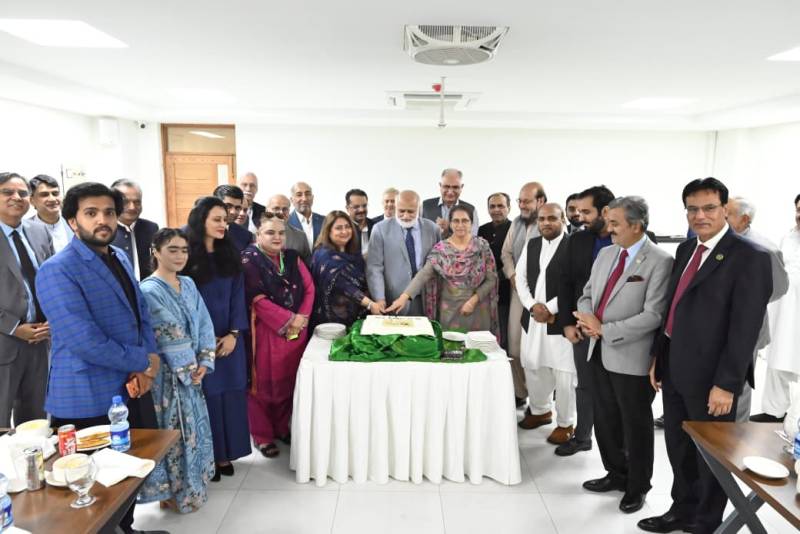
The decision was made during a monthly meeting of vice chancellors and rectors of federal universities and higher education institutions in Islamabad and Rawalpindi. Air University hosted the meeting, which brought senior university leaders together to discuss the challenges facing higher education and ways to improve academic standards.
What did university leaders agree on?
HEC Chairman Prof Dr Niaz Ahmad Akhtar attended the meeting as chief guest along with senior HEC officials.
The discussions covered several areas that directly affect students and universities:
| Priority | Main focus |
|---|---|
| Research | Joint research and stronger research activity |
| Innovation | New ideas, technology and practical solutions |
| Academic collaboration | Joint programmes and institutional partnerships |
| Industry links | Connecting education with employers |
| Quality assurance | Improving academic standards |
| AI and technology | Preparing students for emerging fields |
| Entrepreneurship | Supporting young people with business ideas |
| Student engagement | Greater academic and professional opportunities |
University leaders also emphasized sharing successful practices between institutions. The aim is to reduce isolation between universities and create more opportunities for joint academic work, research and knowledge exchange.
HEC wants universities to prepare students for the changing economy
A major part of the discussion was the need to make university education more relevant to the modern job market.
Dr Niaz Ahmad Akhtar highlighted quality education, research, innovation, entrepreneurship, artificial intelligence, emerging technologies and market oriented skills.
That matters because employers increasingly look beyond a degree when hiring graduates. Practical technical abilities, research experience, communication, problem solving and exposure to real industry challenges can give students a stronger start after graduation.
The meeting therefore placed industry academia collaboration alongside traditional academic priorities. Universities agreed to work on stronger links with industry and other stakeholders so students can gain more relevant knowledge and experience.
Joint research and academic programmes planned
The university leaders supported greater cooperation through joint academic programmes, collaborative research projects, knowledge sharing and faculty and student engagement.
This could give universities a way to share resources and expertise instead of developing every initiative independently.
For students, stronger inter university cooperation could eventually mean access to wider research networks, academic events, collaborative projects and opportunities that are not available at one institution alone.
The emphasis on research is also important for Pakistan’s higher education system because universities are expected to contribute knowledge and solutions to national and economic challenges, not only produce graduates.
Cybersecurity also gets attention
The participating university leaders visited the Cyber Security Centre at Air University, where they received a briefing about its facilities and activities.
The visit adds a practical technology dimension to the meeting. Cybersecurity is becoming an increasingly important area for universities as institutions expand their digital infrastructure and Pakistan develops its technology workforce.
The broader focus on artificial intelligence and emerging technologies also shows that the discussion was not limited to traditional academic reforms. University leaders are looking at fields that are likely to shape future education and employment.
Young CEOs and Entrepreneurs Summit announced
One of the biggest developments from the meeting was the official launch of the Young CEOs, Entrepreneurs and Innovators Summit, Expo and Awards 2026.
The event will take place on October 15 and 16, 2026, at Bahria University Islamabad.
According to the meeting details, the summit follows recommendations from the 6th International Students Convention and Expo. Its focus will include entrepreneurship, innovation, leadership, creativity and stronger links between universities and industry.
For Pakistani students, this could be particularly useful because entrepreneurship events can connect young people with university leaders, businesses, innovators and other students working on new ideas.
However, students should note that the announcement of the summit does not itself mean that new scholarships or admissions have been announced. The event is primarily focused on entrepreneurship, innovation and industry academia engagement.
Why this development matters for students
The biggest takeaway is that Pakistani universities are being encouraged to become more connected with the world outside the classroom.
Students can benefit by looking beyond their regular coursework and taking part in:
- Research projects
- Industry internships
- Innovation competitions
- University collaborations
- Entrepreneurship programmes
- Technology and AI projects
- Academic conferences and events
- Student and faculty exchange opportunities
This approach can help students build a portfolio of practical work while completing their degrees.
A wider shift in Pakistan’s higher education
The latest meeting reflects a broader push toward research, innovation and practical education in Pakistan.
HEC has also been working with universities involved in the CPEC Consortium of Universities to strengthen academic cooperation and move existing partnerships toward more tangible outcomes. That makes the latest call for institutional collaboration particularly relevant.
The challenge now is implementation. Strong statements from university leaders need to translate into funded research, active industry partnerships, practical programmes and meaningful opportunities for students.
If universities can turn these commitments into regular collaboration, Pakistan’s higher education sector could become more closely connected with research, technology and the employment market.
For students and families following education developments, our 9th class result 2026 countdown is also available for the latest result timeline and updates.
Latest update
As of August 9, 2026, HEC and federal university leaders have agreed to strengthen academic collaboration, research, innovation, industry links and institutional cooperation. The next major youth focused initiative announced during the meeting is the Young CEOs, Entrepreneurs and Innovators Summit, Expo and Awards 2026, scheduled for October 15 and 16 at Bahria University Islamabad.